On May 28, Thai and Cambodian troops exchanged fire near the disputed Preah Vihear temple, resulting in the death of a Cambodian soldier. Thailand then closed key border crossings, prompting Cambodia to halt fuel imports and retaliate. These escalations inflamed nationalist fervor and cut off vital trade, including internet and oil links, worsening economic strain in Southeast Asia.
🏛️ Government on the Defensive
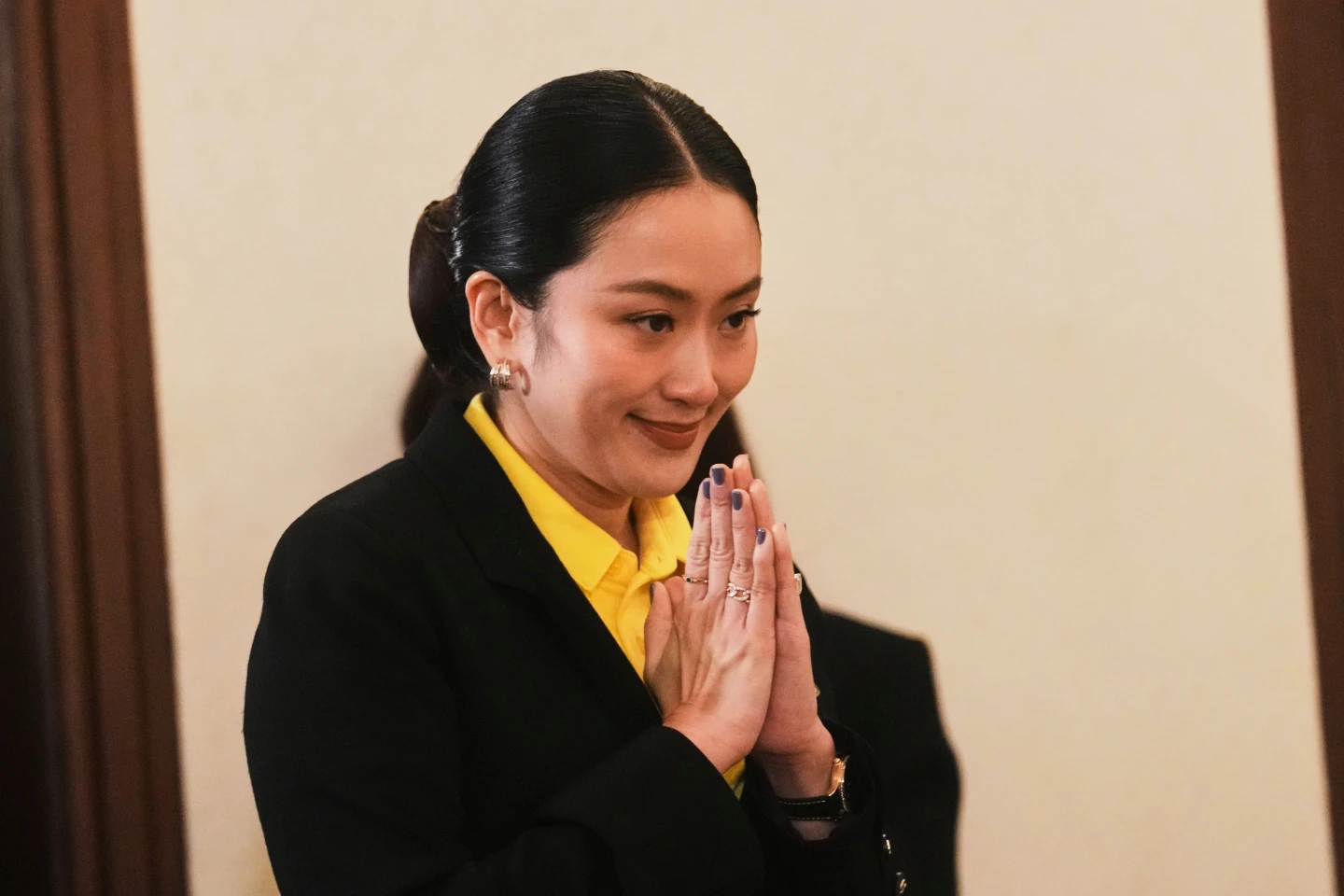
Prime Minister Paetongtarn Shinawatra, from the influential Shinawatra family, was forced to apologize after a leaked June 15 phone call with Cambodia’s Hun Sen, where she referred to him as “uncle” and criticized a Thai general. Nationalists were outraged, seeing it as a betrayal of Thai dignity.
In mid-June, the Bhumjaithai Party — a key coalition partner — pulled out over the PM’s handling of the crisis and called for a no-confidence vote. Her approval rating reportedly plunged to single digits. On July 1, the Constitutional Court suspended her from office pending an ethics investigation. For now, Deputy PM Suriya is serving as acting PM
🛡️ Military Watching with Interest
Thailand has a long history of military coups — over a dozen successful takeovers since the 20th century . Insiders say the current environment — a weak government, nationalist protests, and military influence over the border dispute — mirrors past coup conditions.
The army has already flexed its power: it orchestrated border closures, escalated the dispute, and stood its ground even when civilian leaders tried to calm the situation.
🔥 Insider’s Warning
“Behind closed doors, the generals are increasingly unhappy,” the whistleblower revealed. “They’ve never liked the Shinawatras. Now, with this chaos, they have the perfect excuse.” and “It might not be a tank parade this time — the take‑over could be silent, online or behind the scenes — but the result will be the same: democracy at serious risk.”
🌐 Global Stakes
Any Thai coup would reverberate globally. China, with its expanding Belt and Road projects, could push deeper into Southeast Asia during the chaos. The U.S., a longtime ally, might lose strategic leverage, complicating military and trade relations. Both nations would likely scramble to recalibrate their regional alignments.
🔍 The Bottom Line
Thailand is at a tipping point. A weak government, factional protests, and an empowered military create fertile ground for another coup. This insider’s warning is urgent—and it’s meant for every Thai citizen and watching observer: stay alert. A silent takeover might already be underway. Sooner or later, the generals may decide to call it a day—and democracy could be silenced again.